The Impact of Service
At Fortitude Recovery, we understand the profound responsibility carried by veterans, first responders, and frontline professionals who dedicate their lives to protecting and serving others. These careers often involve repeated exposure to trauma, high-stress environments, and long hours, which can lead to challenges such as post-traumatic stress disorder, depression, anxiety, substance use, and burnout.
Our specialized, evidence-based therapies are designed to meet the unique needs of those who serve. Treatment focuses on processing trauma, restoring emotional balance, and building a foundation for lasting recovery and resilience.
Our Approach to Treatment
At Fortitude Recovery, we integrate evidence-based therapies to help first responders and veterans heal from trauma, strengthen resilience, and sustain recovery. Every treatment plan is tailored, ensuring safety, effectiveness, and long-term stability for those who serve.
Core Therapies
Every client begins treatment with a foundation built on integrated, evidence-based therapies:
- Motivational Interviewing: Fosters motivation and readiness for change.
- Cognitive Behavioral Therapy: Helps identify and restructure unhelpful thoughts and behaviors.
- Relapse Prevention: Provides practical tools and strategies to maintain long-term recovery.
- Psychoeducation: Expands understanding of mental health, recovery, and coping skills.
- Trauma-Informed Practices: Ensures a treatment experience that is safe, supportive, and empowering.
Specialty Therapies
Based on each client’s unique needs, we integrate specialized, evidence-based treatments such as:
- Eye Movement Desensitization and Reprocessing Trauma-Focused Cognitive Behavioral Therapy: Trauma-focused approaches that address post-traumatic stress and co-occurring conditions.
- Acceptance and Commitment Therapy and Dialectical Behavior Therapy: Build emotional regulation, stress tolerance, and values-based living.
- Somatic and Exposure Therapies: Help process and release trauma stored in the body.
- Mindfulness-Based Stress Reduction: Teach grounding, meditation, and relapse-prevention tools.
- Internal Family Systems and Emotionally Focused Therapy: Support deep healing, self-understanding, and stronger relationships.
Therapy Modalities
Healing is supported through:
- Individual Therapy: One-on-one sessions addressing mental health, trauma, and substance use for lasting recovery.
- Couples Therapy: Strengthens connection, communication, and mutual understanding.
- Family Therapy: Engages loved ones in the healing process to rebuild trust and support recovery.
- Group Therapy: Fosters connection, accountability, and shared healing in a supportive peer environment.
You Are Not Alone
You’ve dedicated your life to serving and protecting others. Now it’s time to take care of yourself. Reaching out for help is not a sign of weakness, but of strength. Our admissions team is available 24/7 to guide you through the process with compassion, confidentiality, and urgency. Let us help you heal, recover, and rebuild, so you can get back to doing what you do best: helping others.
Programs Tailored to Your Profession
Every profession carries its own set of challenges and demands. At Fortitude Recovery, we develop individualized treatment plans that reflect the realities of your work and the impact of service. Our approach combines evidence-based care, trauma-informed practices, and peer connection to promote healing, restore balance, and support lasting recovery.
- First Responders
Whether on the frontlines of crises or disasters, first responders often face repeated trauma exposure. We provide specialized care that reduces hyper-vigilance, strengthens coping skills, and restores a sense of calm and control.
- Law enforcement
Law enforcement officers face unique risks of trauma, high stress, and public scrutiny. Our program addresses PTSD, anxiety, depression, and substance use, while fostering emotional resilience and healthy outlets for stress.
- EMS professionals
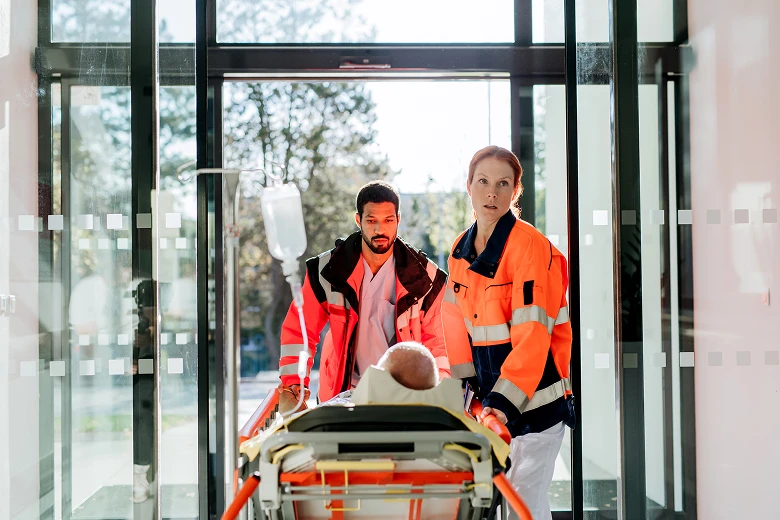
Constant exposure to emergencies, high-pressure decision-making, and long shifts often lead to compassion fatigue, anxiety, and burnout. Our program helps EMS professionals process trauma, manage stress, and rebuild resilience while staying grounded in their mission to serve.
- corrections officers
The demands of working in correctional facilities can lead to chronic stress, hyperawareness, and substance use as a coping mechanism. Our program equips correctional officers with emotional regulation skills and healthy coping strategies for long-term resilience.
- nurses
Frontline in healthcare, nurses face long hours, emotional strain, and exposure to patient trauma. This often leads to compassion fatigue, burnout, and substance use challenges. Our nurse-specific program focuses on restoring balance, processing trauma, and supporting overall well-being.
- firefighters
Frequent exposure to dangerous, high-stress environments can contribute to trauma, sleep issues, and substance use challenges. We help firefighters process traumatic experiences, strengthen mental health, and build sustainable recovery practices.
- dispatchers
Although often behind the scenes, dispatchers experience vicarious trauma, stress from high-stakes calls, and emotional exhaustion. Our program provides tools to manage stress, set boundaries, and reduce the emotional toll of the job.
- veterans
Military service can leave lasting impacts such as PTSD, depression, moral injury, and substance use challenges. Our veteran-focused program uses trauma-informed, evidence-based therapies to help service members transition to civilian life, restore emotional balance, and find renewed purpose.
Life beyond the badge
Medical care
Addiction is hard, but medication can make early recovery more manageable. At Fortitude Recovery, clients have access to medical professionals trained in addiction medicine. Our providers prescribe medications that act on reward centers in the brain, interrupting the feedback loop of addiction and reducing cravings. These medications have been shown to improve recovery outcomes for most individuals. Following a brief medical assessment, clients are connected with a provider who collaborates on a personalized plan and, when appropriate, prescribes medication to support withdrawal and sustained recovery.
Case Management
Each client is paired with a dedicated Case Manager who helps guide their treatment journey and connect them to essential community resources. Our Case Managers provide with housing, education, benefits navigation, and access to medical and mental health providers. They also assist clients in rebuilding structure, purpose, and balance as they return to daily life, working closely with therapists and medical staff to ensure continuity of care through every stage of treatment.
Therapy